
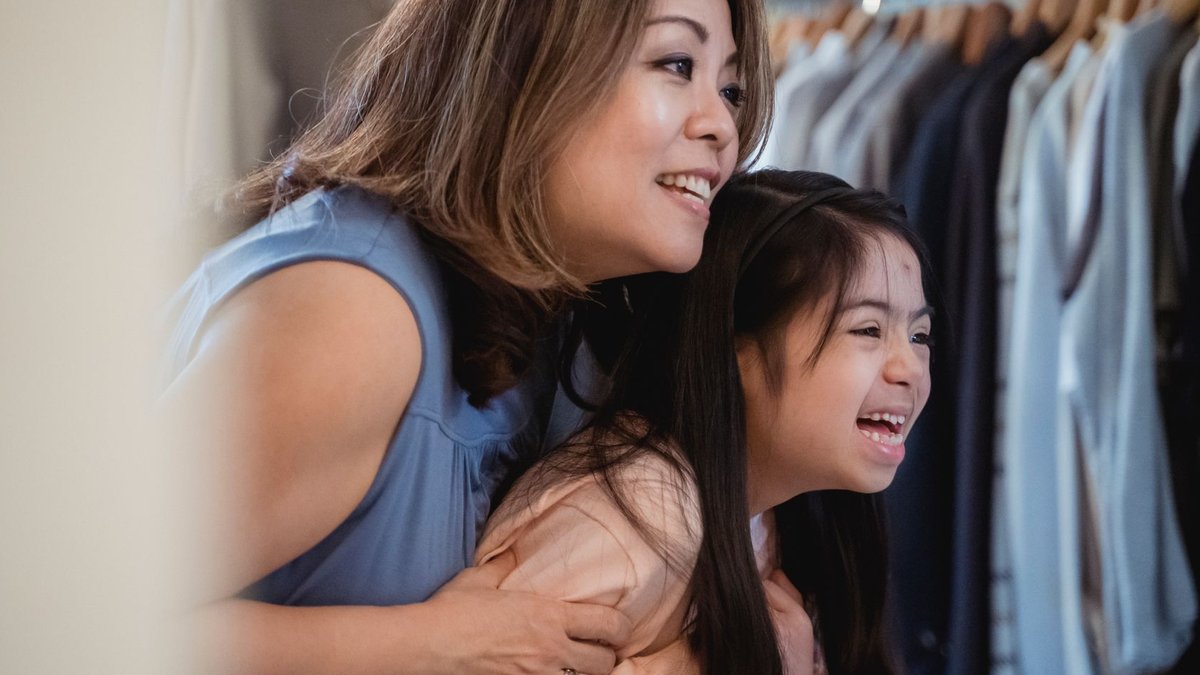
The Fashion & Textile Children’s Trust has quietly supported families across the industry for more than 170 years, with roots stretching back to 1853. Rooted in Victorian Britain and championed by Charles Dickens, the charity’s relevance today feels as sharp as ever. According to the interview with CEO Anna Pangbourne, the organization exists to support children and families experiencing difficulty because of sickness, disability, bereavement, or financial hardship.
Meaningful support is always practical, personal, and dignified. For the Trust, this often means responding to immediate needs that can feel overwhelming to a family. It might be a bed for a child sleeping on the floor, a washing machine that has broken and cannot be replaced, or support for a family living in temporary accommodation. The organization prides itself on taking only three weeks to get a grant to a family, provided the process is handled with care, speed, and dignity.
Related: AI reshapes modern supply chains across retail
Behind every job title on the shop floor, in a warehouse, or at head office, there is a home life. When things go wrong at home, it affects everything. Parents carry an enormous emotional weight when they feel they cannot provide what their children need, even when they are in work and doing their absolute best. It is so important that the industry recognizes this human reality. Retail and fashion are powered by people, and when those people are under unbearable pressure outside work, it shows. By supporting families properly, we are not just doing the right thing morally; we are enabling people to show up more fully in their roles at a time when resilience is being tested on every front.
The cost of survival
The biggest pressure the Trust sees is simply the daily cost of survival. Rents have risen sharply, energy costs remain high, and many families are still recovering from reduced wages, furlough, or job losses linked to the pandemic. These are not isolated cases; they are affecting working families across the UK. While many employers are actively supporting their employees through financial wellbeing initiatives—such as access to earned wages through platforms like Wagestream—these tools may not stretch to replace a broken cooker or fund essential items for a growing child.
Related: Retail Stores Turn Safety Policies into Action
This is where employers can play a powerful role by partnering with charities like the Fashion & Textile Children’s Trust. By positioning the Trust as a financial wellbeing resource for families, employers give their teams a safe route to ask for help without fear or embarrassment. That confidentiality is vital. Families can access support without it becoming known in the workplace, unless they choose to share it. Reducing stigma is also key. When support is visibly available to everyone, including those in senior roles, it becomes part of a healthy culture rather than a last resort.
That quote feels as powerful now as it must have done in Dickens’ time. Children feel injustice deeply, particularly when circumstances beyond their control disrupt their sense of safety and stability. The Trust’s role is to step in quietly and restore some balance during those moments. Dickens believed strongly in collective responsibility, that industries should care for their own communities. That ethos sits at the heart of the organization today. We are sector-specific by design, existing solely to support the children of people working in fashion and textiles, which allows us to be focused, relevant, and effective. By working with employers and families, we become a bridge between work and home. When urgent needs are met quickly, parents can breathe again. They can be present at work, engage with their teams and customers, and regain a sense of control. That benefits everyone. Fairness, for us, is not abstract; it is practical, timely, and rooted in compassion. It is making sure a child has the basics they need, and a parent knows they are not alone.


