
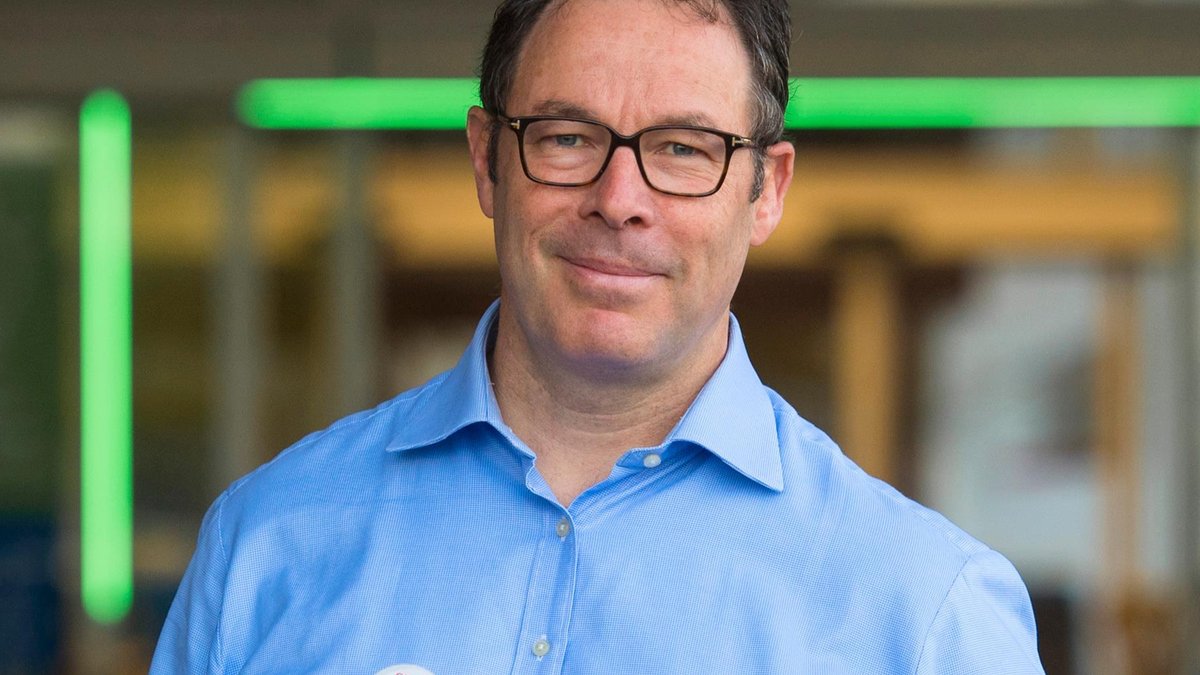
Tesco CEO Ken Murphy has urged Chancellor John Healey to exclude retailers from increased business rates on large warehouses. He argues that the sector already bears an unfair share of property taxes.
During Tesco’s half-year results announcement on Thursday, Murphy criticized the current business rates system. He called for a reevaluation of how larger retail properties are taxed ahead of this month’s Budget.
“The business rates system is fundamentally unfair,” Murphy said. “Retailers are paying four times more than their fair share of rates and I would urge the Government for more equitable rates.
Murphy called for an exemption for retail businesses from the higher business rates multiplier applied to properties with a rateable value above £500,000.
The government is considering increasing the tax burden on large warehouses and out-of-town properties to fund business rates reductions for smaller high street businesses, including pubs and live music venues.
Retailers have argued that the proposed changes would disproportionately affect traditional high street businesses, many of which operate extensive distribution networks to support their stores.
Research from Savills found that high street retailers occupied 97 million sq ft of warehouse space in 2024, compared with 69 million sq ft used by online retailers.
Separate analysis from business rates consultancy Ryan found that the country’s 10 warehouses with the highest business rates bills are operated by Lidl, Tesco, John Lewis, Sainsbury’s, and Marks & Spencer.
The findings have raised concerns that measures intended to target online giants such as Amazon could instead increase costs for supermarket chains and other store-based retailers.
Murphy said: “We genuinely believe rates need to be reformed and we urge the Government to exempt retailers from the threshold put in place last year.” He declined to say whether any additional costs would be passed on to Tesco customers.
Tesco’s intervention came as it upgraded its full-year profit guidance following a stronger-than-expected first half. The supermarket now expects adjusted operating profit of between £3.15 billion and £3.3 billion for the year to February 2027, up from its previous forecast of £3 billion to £3.3 billion.
UK like-for-like sales increased 1.5 per cent in the 26 weeks to 29 August, while group adjusted operating profit rose to £1.78 billion.
The Chancellor is due to deliver his Budget on 28 October, with retailers continuing to press for changes to the business rates system before any further increases are introduced.


