
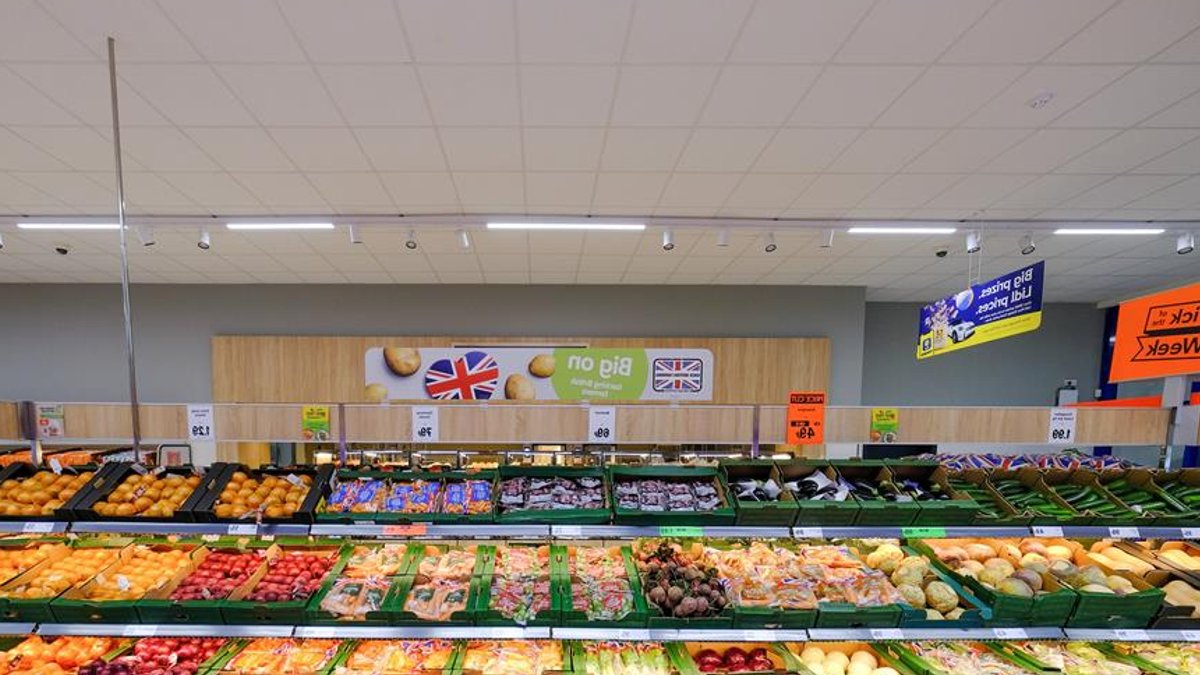
Lidl says Britain has already exceeded the amount of fat‑ and sugar‑laden foods that can be consumed if the nation hopes to meet the 2026 benchmark for a healthy, sustainable diet.
Overshoot day marks a missed target
Saturday, 25 July is identified as “overshoot day,” the point when the United Kingdom will no longer be on track to achieve the annual progress needed for the Eat‑Lancet Planetary Health Diet targets.
The diet, created by The Lancet and the Norway‑based think‑tank Eat, calls for a 50 % cut in carbon‑intensive foods such as red meat by 2050 and a doubling of fruit, vegetables, nuts and legumes.
Current consumption falls short of targets
According to the data, Britain is eating only 40 % of the fruit and vegetable intake needed for 2026. Whole‑grain fibre consumption is about 85 % below the benchmark, while plant‑based protein is at just 18 % of the recommended level. By contrast, animal protein consumption exceeds the target by 60 %.
Foods high in added fats and sugars are consumed at levels 60 % above the recommended maximum. These figures suggest the nation is well beyond the point where modest adjustments could bring the diet back into alignment.
A separate consumer survey commissioned by Lidl found 45 % of adults see affordability as a major obstacle to healthier eating. More than half (52 %) said they want clearer guidance on how to improve their diet without raising grocery costs.
“These findings are a wake‑up call,” said Richard Bourns, Lidl GB chief commercial officer. “As a nation, we’re at a dietary tipping point, and we need a big shift in how we eat to ensure we’re consuming more of what we’re currently lacking.”
Related: Dimbleby startup names grocery survivors
He added that the research shows people are willing to choose healthier, more sustainable options, but price often stands in the way. “By highlighting how quickly we have overshot the Planetary Health Diet targets, we also hope to bring balance to Britain’s diet by working with retailers, policymakers and producers to make better food accessible for everyone.”
British Nutrition Food Foundation chief executive Elaine Hindal echoed the sentiment, noting that a simple, affordable approach to balanced meals is essential for a food system that serves both people and the planet.
Action is needed now.
In the middle of the discussion, it is worth noting that if current trends continue, the gap between actual intake and the 2026 targets could widen, putting additional pressure on public health services and environmental goals. Policymakers may need to consider incentives for producers and retailers that lower the cost of fruits, vegetables, and whole grains, while discouraging excesses in red meat and sugary products. Such measures could help align consumer behavior with the science‑based recommendations without relying solely on voluntary changes.
Lidl became the first UK retailer to align its sales targets with the Planetary Health Diet early last year. The company now urges industry peers and government officials to collaborate on making healthier food more affordable and widely available.
The analysis highlights a stark mismatch between current eating patterns and the diet needed for long‑term sustainability. Without coordinated action, the United Kingdom may struggle to meet its own health and environmental ambitions.


