
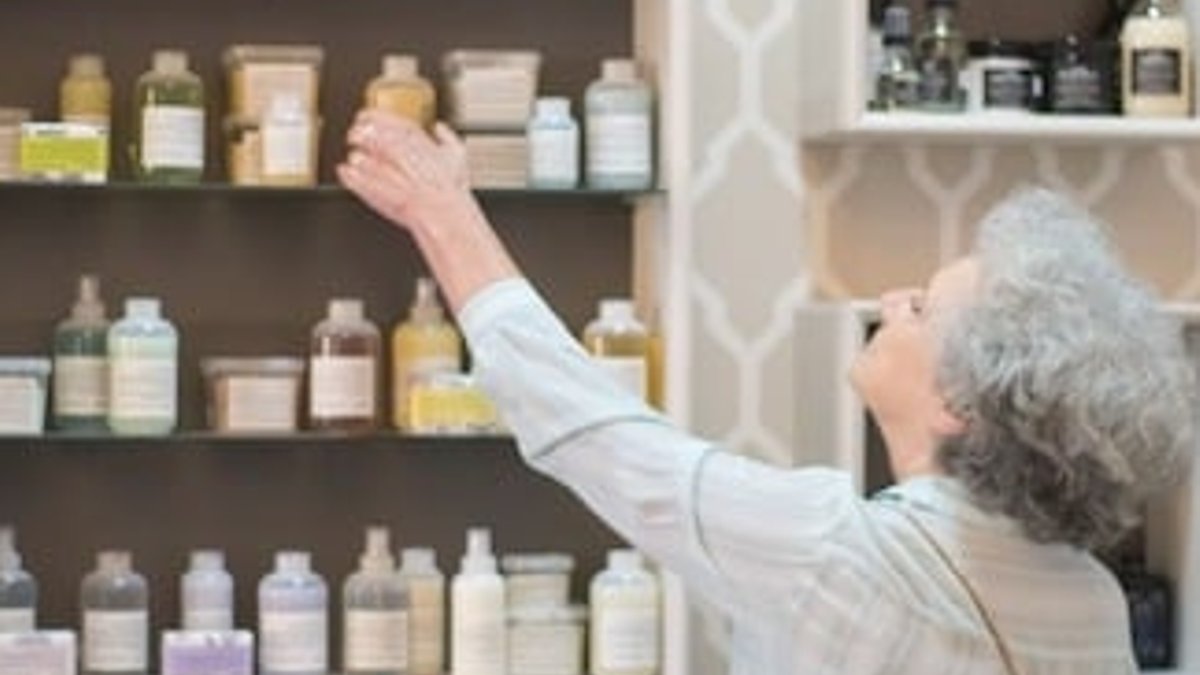
Beauty brands seeking to break into physical retail often face a hurdle: local spa managers prioritize familiarity over novelty. A writer who met recently with a spa manager in California described the experience. The writer presented a popular French beauty brand, expecting a strong reception. The manager declined, citing the risk of introducing unfamiliar products to a loyal client base. That conversation shifted the writer’s approach to marketing for online companies entering the offline market.
Building Trust Through Association
This dynamic suggests brands should prioritize awareness over immediate conversions. The most effective entry point often involves association membership and industry events. The SoCal Spa Wellness Collective brings together industry leaders, boutique spas, and luxury brands to create partnerships. Annual membership for brands starts at $1,100. Booths at a Live Love Spa event can generate conversations with dozens of spa directors, a route that often convinces European founders who initially question its effectiveness.
Working through the Retail Path
Understanding the specific access point is critical. Displacing a trusted back bar product is difficult. Retail is the easier first door. Brands can co-develop seasonal treatment protocols with spa estheticians using their products, aiming eventually to become the back bar. This process typically takes six months from introduction to the first order.
Negotiating with spas requires more than price adjustments. It includes training estheticians and addressing immediate needs, such as supplying sunscreen in the summer or makeup remover when out of stock. Patience is essential, as the right product at the right moment often beats a broader strategy.
Setting Up for B2B Success
Performance metrics for B2B sites differ from direct-to-consumer models. Awareness and site quality matter more than conversion rates or average order values. Relevant B2B key performance indicators include branded searches, direct traffic, professional registrations, sample requests, and “where to buy” clicks. An omnichannel strategy requires a direct-to-consumer channel, but a brand must sell only what fits consumer needs, such as retail-sized cleansers and sunscreens. Professional-use products should be behind a login with gated pro pricing. Enforcing minimum approved pricing on shared SKUs prevents retail prices from undercutting what spas charge.


