
Aldi and Arla, the UK’s largest dairy cooperative, are collaborating with recycling platform Polytag on an operational pilot to track milk bottle packaging through the recycling process using innovative UV-tagging technology. The project aims to improve packaging traceability and understand how milk bottle packaging moves through the recycling system.
Building on their 2023 collaboration, the brands are working to integrate Polytag’s UV-tagging technology into their packaging. The technology utilizes Sun Chemical’s specially developed ink on wrap-around labels to provide real-time tracking of packaging as it moves through the recycling stream.
The UV-tagged labels are applied to Arla’s milk bottle range at its Oakthorpe site. The labels, printed by Saica Flex, enable real-time tracking of packaging, providing visibility into recycling rates and the journey of dairy packaging.
The work represents a further development in packaging traceability. The UV-tagged labels will allow brands and retailers to gain deeper insights into the lifecycle of their materials.
Related: High street sales see July volatility
Luke Emery, plastics and packaging director at Aldi UK, said: “This next phase with Polytag represents an exciting step forward in how we use data to drive our sustainability strategy.” Helena Delgado Nordmann, head of sustainability at Arla Foods UK, shared: “By working with Polytag, we hope to gain valuable insight into how milk bottle packaging moves through the recycling system, helping us to make more informed decisions about future packaging developments.”
Stefaan D’hoore, director of business development at Sun Chemical, said: “This deployment marks an exciting milestone as the first commercial use of Sun Chemical’s fluorescent ink with Polytag’s technology, demonstrating how collaboration across the packaging value chain can support greater transparency and help accelerate the transition to a more circular economy.”
The UV technology works by printing invisible UV tags directly onto packaging labels using food-safe fluorescent ink. The ink is applied using standard printing methods, making it a low-cost, easy-to-integrate solution that doesn’t impact production speed.
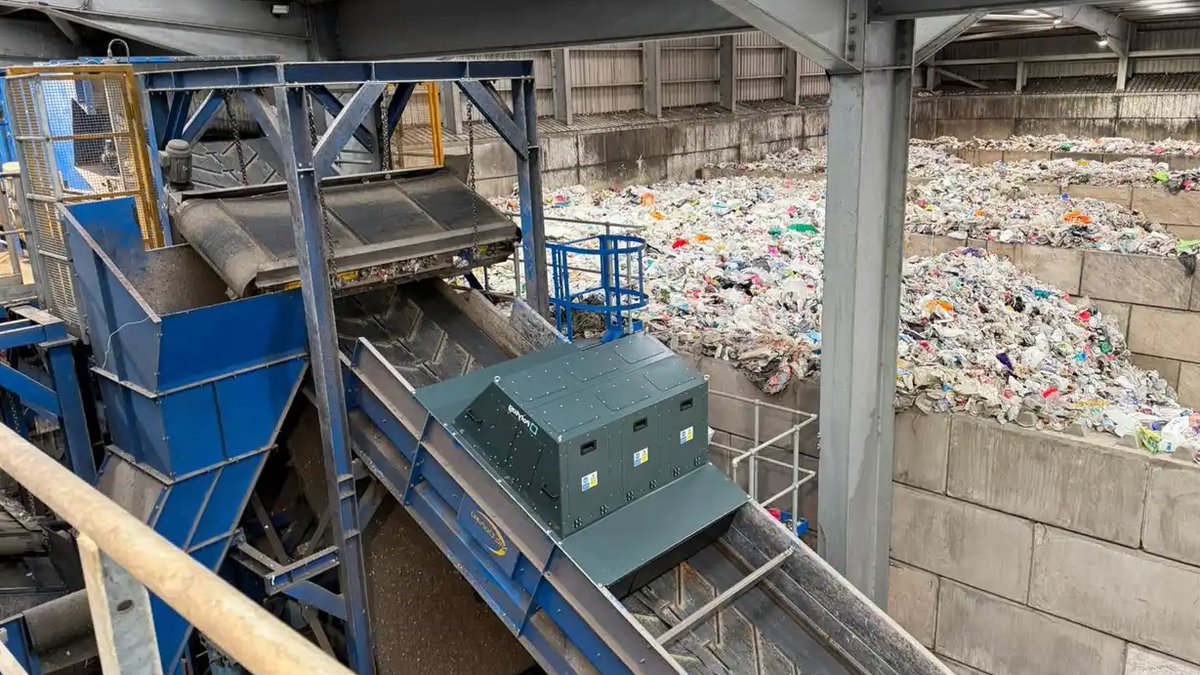
When tagged packaging enters the recycling stream, Polytag’s Plastic Detection Units installed at Materials Recovery Facilities capture barcode-level data in real-time. This information is accessible via the Polytag dashboard, providing brands and retailers with detailed visibility of their packaging’s journey through the recycling process.
Related: Meat producers urge government to protect water supply
Alice Rackley, CEO of Polytag, said: “This next phase deployment with Aldi and Arla milk bottle labels demonstrates the scalability and reliability of the UV-tagging solution.”
The data captured through UV-tagging is the first step in charting the lifecycle of product packaging with real data, starting a journey for brands to measure progress against sustainability targets and support data-informed decisions that may help identify opportunities to improve recyclability and recycling performance.
They are taking a significant step towards a more circular economy.
With the help of Polytag’s technology, Aldi and Arla are paving the way for others to follow, and their efforts may lead to increased adoption of UV-tagging technology in the industry.


