
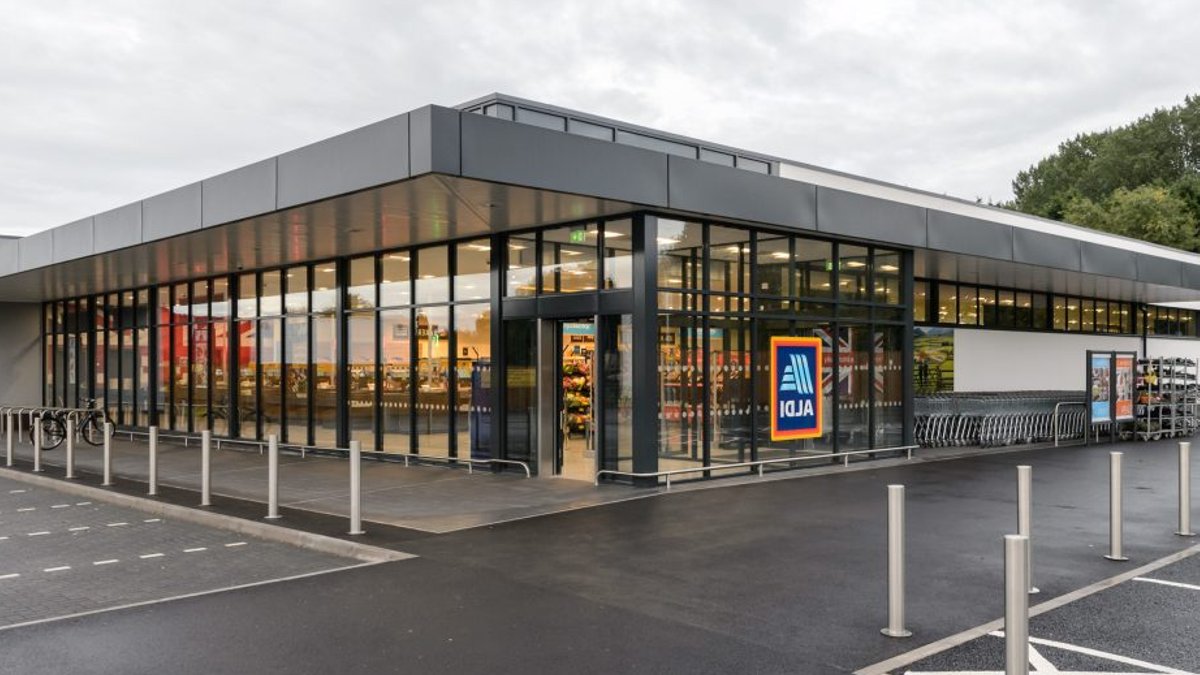
Aldi led UK retail brands in creator-driven content around the 2026 FIFA World Cup, capturing 34.08% of the share of voice among major retailers—despite holding no official sponsorship rights for the tournament. The discount grocer’s dominance in this space showed a growing trend where brands bypass traditional sponsorship models to engage with global events through organic, culturally resonant strategies. By leveraging creator partnerships, Aldi transformed its grocery offerings into a central part of the World Cup conversation, proving that relevance could be achieved without direct affiliation.
The discount grocer outpaced eBay, which secured 30.67%, and Boots at 12.37%, according to research from social agency Billion Dollar Boy. Marks & Spencer and Tesco followed with 9.81% and 9.18%, respectively. The gap between Aldi and its closest competitor, eBay, was narrower than the divide separating eBay from the remaining brands, suggesting a two-tier system where only a handful of retailers effectively capitalized on the tournament’s cultural momentum. Boots, typically associated with health and beauty, demonstrated how even non-food retailers could insert themselves into the World Cup narrative by aligning with fan behaviors beyond the pitch.
How brands sidestepped official sponsorship
The rankings were based on analysis of retailer activity during the tournament using Billion Dollar Boy’s proprietary platform, Companion. This tool tracked creator-generated content across social media, measuring not just volume but also engagement metrics such as likes, shares, and comments. The data revealed which brands successfully infiltrated fan conversations without relying on official branding, highlighting a shift in how major events are monetized. Companion’s methodology focused on content that organically tied retailers to the World Cup, whether through humor, nostalgia, or practical utility, rather than forced promotional messaging.
None of the top five brands were listed as FIFA’s official partners, sponsors, or supporters, which typically grant exclusive rights to associate with the event. Official sponsorships often come with hefty price tags, sometimes running into hundreds of millions of dollars, and include strict usage guidelines for logos, mascots, and other intellectual property. These rights holders are permitted to use FIFA’s branding in advertising, product packaging, and in-store promotions, creating a clear visual and commercial link to the tournament. However, the exclusivity of these deals also limits the number of brands that can participate, leaving many retailers searching for alternative ways to engage with the event’s audience.
FIFA’s guidelines prohibit non-sponsors from using official logos, emblems, or other protected assets to imply a commercial connection. The organization enforces these rules through legal teams that monitor unauthorized use of its branding, issuing cease-and-desist notices to violators. For example, a retailer cannot use the World Cup trophy image or the tournament’s official slogan in its marketing materials without permission. These restrictions extend to social media, where even subtle references to FIFA’s intellectual property can trigger enforcement actions. The guidelines are designed to protect the value of official sponsorships, ensuring that only paying partners benefit from direct association with the event.
But retailers found ways to engage with World Cup culture without direct branding. Aldi, for example, rolled out nation-themed recipes tied to competing countries, linking its food range to the tournament’s global appeal. The grocer curated dishes inspired by the cuisines of teams in the competition, such as German pretzel bites for matches involving Germany or Brazilian feijoada for games featuring Brazil. These recipes were shared via creator partnerships, with influencers demonstrating how to prepare the meals in real time during match broadcasts. The approach not only aligned with the World Cup’s international flavor but also positioned Aldi as a destination for fans looking to enhance their viewing experience. By focusing on practical, shareable content, the brand avoided the need for official branding while still embedding itself in the event’s cultural fabric.
eBay took a different approach, hosting live auctions for football merchandise, including World Cup stickers and trading cards, during the event. The marketplace capitalized on the nostalgia and collectibility associated with football memorabilia, a market that surges during major tournaments. eBay’s live auctions were streamed on social media platforms, with creators and collectors bidding on rare items in real time. The strategy tapped into the emotional connection fans have with physical memorabilia, particularly items tied to historic World Cup moments. By framing these auctions as events in their own right, eBay created a parallel narrative to the tournament, one that revolved around fandom and exclusivity rather than official sponsorship.
Creators as a shortcut to relevance
Billion Dollar Boy’s US managing director, Piet Southey, said the results demonstrated how brands could dominate cultural moments without paying for official licensing. “Our World Cup data proves how non-official retail partners can successfully hijack the tournament narrative,” he said. Southey’s use of the term “hijack” showed the strategic advantage of agility in modern marketing. Unlike official sponsors, which often plan campaigns years in advance, non-sponsors can react in real time to emerging trends, memes, or viral moments. This flexibility allows them to insert themselves into conversations as they unfold, rather than relying on pre-approved messaging that may feel stale by the time the event arrives.
Related: Pernod Ricard Hails Tariff Free Scotch Trade
Southey pointed to creator partnerships as a key advantage over traditional advertising. “Creators give retail brands what traditional ads can’t: immediate relevance, peer-to-peer trust, and cultural speed,” he added. Traditional advertising, such as television commercials or billboards, operates on a broadcast model, where brands push messages to a passive audience. In contrast, creator content is interactive, often appearing in users’ feeds alongside posts from friends and family. This context lends authenticity to the messaging, as fans perceive creators as peers rather than corporate entities. Additionally, creators can tailor content to specific platforms, whether it’s a TikTok tutorial, an Instagram Reel, or a YouTube livestream, ensuring maximum engagement with each audience segment.
“Major cultural events aren’t won in the stadium anymore; they’re won on the second screen,” Southey continued. The “second screen” phenomenon refers to the way fans engage with events through their phones or tablets while watching live broadcasts. During the World Cup, this behavior manifests as real-time reactions, meme sharing, and live-tweeting matches. Retailers that align with these behaviors—such as Aldi’s matchday recipes or eBay’s auction livestreams—position themselves as integral to the viewing experience. By meeting fans where they already are, brands can achieve visibility without the need for official branding, which is often overlooked or ignored in favor of more organic content.
Retailers leveraged trends like matchday food, national pride, and football collectibles—topics that resonate with fans but don’t require official branding. Matchday food, for instance, is a universal ritual for football fans, whether it’s ordering takeaway, preparing snacks at home, or hosting watch parties. By providing recipes, meal deals, or themed products, retailers like Aldi tapped into this behavior without needing to reference the World Cup directly. Similarly, national pride is a powerful emotional driver during international tournaments, and brands that celebrated competing countries—through flags, colors, or cultural references—could evoke the same sentiment as official sponsors. Football collectibles, meanwhile, have a dedicated fanbase that extends beyond the tournament itself, with items like stickers and trading cards often becoming long-term investments for enthusiasts.
The approach mirrors how brands have handled other major events, like the Olympics, where unofficial campaigns often outperform those from official sponsors in engagement. During the Olympics, non-sponsors have historically run campaigns that play on the themes of competition, perseverance, or national identity without using the Olympic rings or other protected symbols. For example, a retailer might sponsor a local athlete or highlight their products as part of a training regimen, creating an indirect association with the Games. These campaigns often generate more organic engagement than official sponsor ads, which can feel overly corporate or disconnected from the emotional highs of the event. The World Cup, with its global reach and passionate fanbase, presents a similar opportunity for brands to connect with audiences on a personal level.
FIFA’s protections remain strict, but the research suggests brands can still participate by focusing on broader fan behaviors rather than direct tournament associations. The organization’s intellectual property guidelines are designed to prevent ambush marketing, where non-sponsors create the impression of an official connection. However, these rules do not extend to general cultural references, such as discussing football, celebrating national teams, or selling themed products. By operating within these boundaries, retailers can engage with the World Cup’s audience without risking legal action. The key is to avoid explicit references to FIFA, the tournament’s name, or its branding, while still aligning with the emotions and behaviors that define the event.
The shift reflects a broader trend in marketing, where agility and cultural alignment often matter more than formal partnerships. Traditional sponsorships are becoming less dominant as brands prioritize flexibility and authenticity. The rise of social media has democratized access to major events, allowing even small retailers to participate in the conversation. For example, a local bakery might create a special dessert inspired by a competing country, sharing it on Instagram with a relevant hashtag. While such efforts may not achieve the scale of Aldi or eBay, they demonstrate the same principle: cultural relevance can be achieved without official affiliation. This trend is particularly pronounced among younger audiences, who are more likely to engage with brands that feel genuine and relatable rather than those that rely on corporate messaging.
For Aldi and eBay, the strategy paid off in visibility. The grocer’s recipe content and the marketplace’s live auctions generated mass engagement without the cost of official sponsorship fees. Aldi’s approach, in particular, highlighted how a brand could transform a mundane product—groceries—into a central part of the World Cup experience. By partnering with creators who had established followings in food, sports, or lifestyle niches, the brand ensured its content reached the right audiences. eBay’s live auctions, meanwhile, capitalized on the urgency and excitement of real-time bidding, creating a sense of community among collectors. Both strategies demonstrated that the value of official sponsorships is not just in the branding but in the ability to create memorable, shareable moments that resonate with fans long after the tournament ends.


