
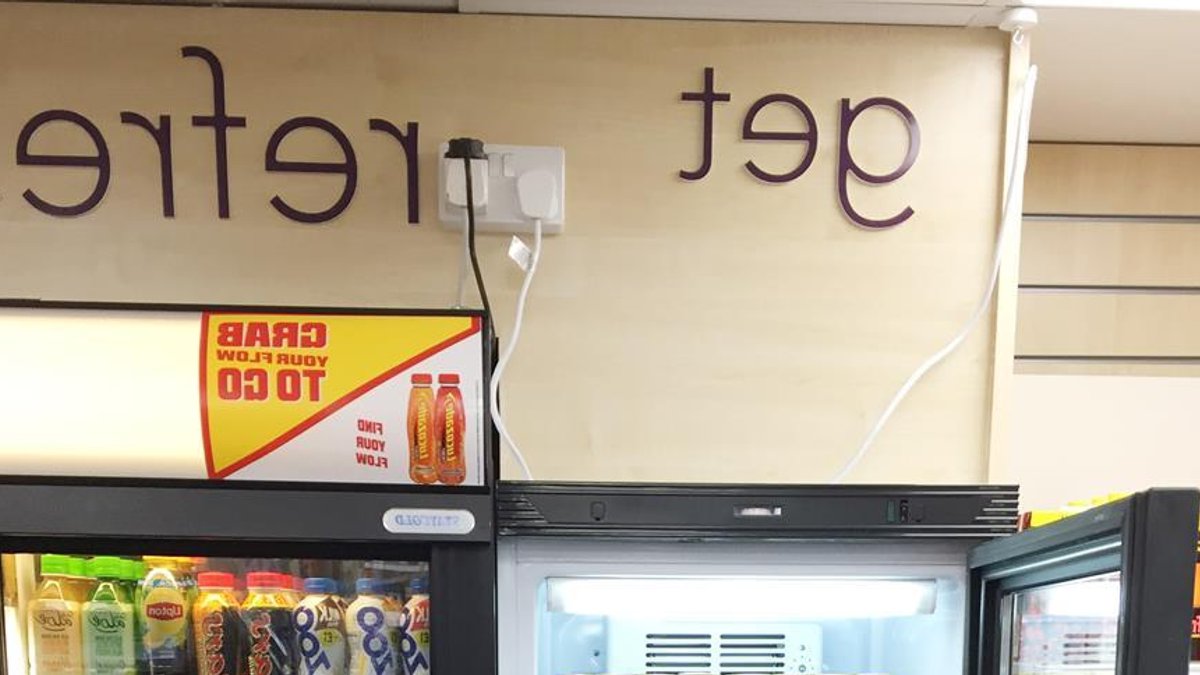
The United Kingdom will enforce a ban on selling high‑caffeine energy drinks to anyone under 16 starting in April, according to a statement from the public health minister.
Details of the new restriction
Under the upcoming regulation, any beverage containing more than 150 mg of caffeine per litre will be illegal to sell to minors under the age of 16.
The rule applies to all points of sale, including online retailers, supermarkets, convenience stores, restaurants, cafés and vending machines.
Vending machines are explicitly covered to stop under‑16s from accessing the drinks in public spaces such as schools and transport hubs.
They will see the practice codified into law for retailers that already follow a “Think 25” policy—refusing to sell high‑caffeine drinks to those under 16.
Related: Steiner excited about Ocado amid exit talk
Reaction from health groups and industry
Health advocates have welcomed the move but some argue it does not go far enough.
Barbara Crowther, manager of the Children’s Food Campaign, said the decision is “absolutely right” given evidence of negative effects on physical, mental and dental health.
Crowther added that nearly 300 million high‑caffeine drinks have been sold to children since the original pledge was made two years ago.
Crowther urged the government to consider extending the age limit to under‑18, matching the legal definition of a child, and to launch a robust public‑communication campaign alongside the legislation.
The British Soft Drinks Association expressed reservations, arguing that the ban is “unnecessary” and not supported by strong evidence of overconsumption.
Related: Vape ban and costs hold convenience growth to 1.6%
A spokesperson noted that since 2010, member companies have voluntarily avoided marketing these drinks to under‑16s and display a “not recommended for children” label.
“The available evidence shows that the vast majority of caffeine consumed by children and adolescents comes from sources other than energy drinks,” the representative said, adding that the consultation response itself acknowledges the lack of robust data linking the drinks to harm.
Government perspective
Minister Sharon Hodgson highlighted concerns about sleep disruption, reduced concentration in class and behavioural impacts on young people.
“We’re empowering parents, teachers and shopkeepers to say ‘no, you don’t have to sell these to children under 16 any more, they’re banned’,” she said.
The announcement comes two years after the Labour government first outlined the plan, a proposal that was stalled under the preceding Conservative administration.


